 Drape Haus
Drape Haus
Preparing the room
Drape Haus
Preparing the room
Sofas
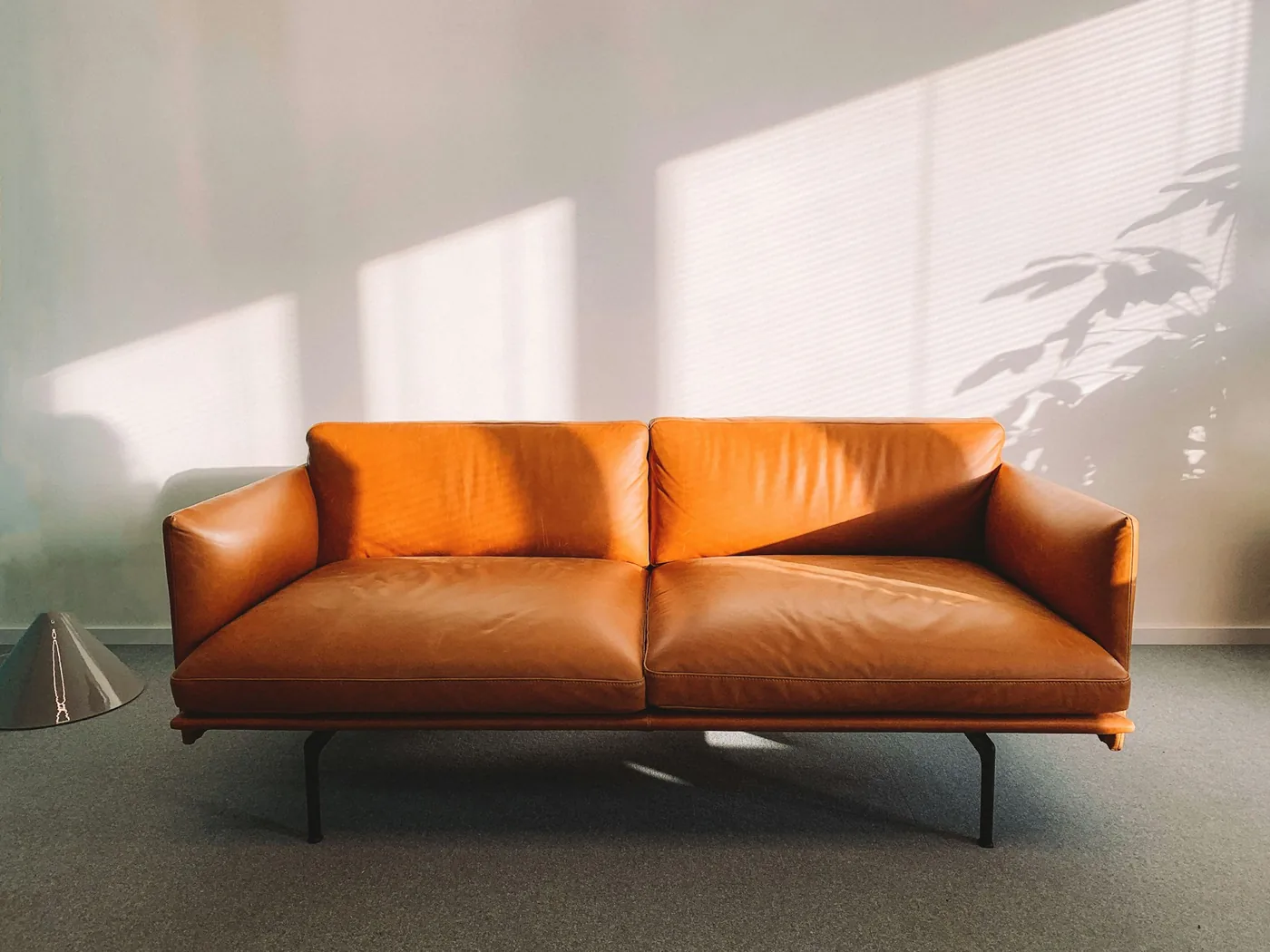
A leather sofa can last decades and look better with every year of use, but in Goa it only does so in the right room. We help you decide whether real leather, a coated alternative or a woven fabric suits the space, then build the sofa so the hide has air around it.
Durability scale (Martindale rubs, BS 2543)
15k
20k
25k
30k
40k
Who uses it
Where it lives
How it is used
Durability to ask for
30,000+ rubs
Severe domestic / general contract
Removable covers
Yes
zipped, washable, and a spare set
Fibres that suit
Avoid: Anything you cannot clean in place, on a piece used every day. Rub count is one number among several — weave, colour-fastness and how a fabric handles humidity matter as much. We bring samples to see in your room.
In short
By the Drape Haus studio · How we write
Is it right for you?
People choose leather for good reasons. It wipes clean after a spilt drink, does not hold dust or pet hair the way a woven fabric does, and a well-made leather sofa can serve a family for twenty years, gaining character as the hide softens and darkens. In a smart living room or a study it has a presence few fabrics match.
The climate is what complicates it. Goa's monsoon brings months of air so damp that anything organic left in a still room starts to grow mould, and hide is organic. A coated imitation avoids the mould but brings its own failure: in the same damp heat, thin coatings lose their grip on the backing and peel. So the real question is not whether you like leather, but whether the room it will live in can keep it dry.
If the sofa is going into an air-conditioned living room, or a room with windows on two sides that stays open and lived in through the rains, leather is a sound choice. If it is going into a holiday house closed for half the year, or a ground-floor room against a damp laterite wall, a woven performance fabric will almost certainly serve you better.
The details
Leather is a skin. It takes up moisture from humid air and gives it back as the air dries, which is why it stays supple, and also why it can grow mould in a room that is closed and damp for weeks. Rooms with air conditioning or steady cross-ventilation suit it well; shut, airless rooms through the monsoon do not.
Rexine and other coated fabrics look similar on the first day and behave very differently later. A thin coating over a weak backing is the material that peels and flakes off sofas in coastal flats after a few humid seasons. If you choose a coated material, we specify a heavy grade and tell you plainly what it is.
How the sofa is made matters as much as the hide. Leather needs firmer, well-wrapped seat foam so it does not settle into deep wrinkles, careful placing of seams across long seats, and a frame lifted on legs so air reaches underneath. We plan all three before cutting.
Comfort is the honest drawback. In a warm room without air conditioning, leather feels hot against bare legs in April and May. A leather frame with woven-fabric seat cushions, or a leather piece kept to the cooler room of the house, often solves it.
Your options
Beyond the hide itself, the shape and build of a leather sofa decide how it ages. Leather does not drape like fabric, so some designs suit it much better than others.
Swipe for all 5 →
The honest view
Wipes clean
Spills sit on the surface long enough to be wiped away, and there is no weave for crumbs, sand or pet hair to work into.
Ages rather than wears
Good hide softens and gains a patina with use, so a ten-year-old leather sofa can look better than a new one, where fabric only looks older.
Does not hold dust
Leather does not harbour dust mites in the way a woven fabric can, which some people with allergies find helpful.
Long life
On a sound hardwood frame, a leather sofa that is kept dry and cared for outlasts most fabric covers by many years.
Mould in still damp air
In a room shut through the monsoon, hide grows mould in creases, seams and the underside. Prevention depends on air, not on the sofa.
Hot to sit on
Without air conditioning, leather feels warm and sticky against bare skin in the hottest months, which matters in a coastal climate.
Scratches and sun
Claws mark it, and strong sea-facing light dries and fades it. Placement away from direct sun is part of the design.
Imitations can peel
Thin coated fabrics sold as leather-look peel within a few humid seasons. The material must be identified honestly before buying.
Side by side
For a new sofa in a humid house, these are the three realistic choices. Each wins somewhere.
| Real leather | Heavy coated fabric | Woven performance fabric | |
|---|---|---|---|
| Comfort in a warm room | Warm, can stick | Warm, can stick | Cool, breathes |
| Monsoon mould risk | High if air is still | Low on the surface | Moderate, needs airing |
| Peeling or flaking | No | Possible in low grades | No |
| Spills and stains | Wipe off | Wipe off | Treat or wash cover |
| Removable covers | Not practical | Not practical | Yes |
| How it ages | Softens, gains patina | Stays the same, then fails | Gradual wear |
| Best room | Air-conditioned | Busy, wipe-clean spaces | Any, including closed houses |
Swipe to compare →
For a holiday home left shut for months, the woven fabric column is almost always the right answer.
Rather see it in your own room?
We bring samples to the house, measure every window, and specify for the light and exposure you actually have.
Room by room
Conditioned air is dry air. A leather sofa here is comfortable year round and well protected from monsoon mould.
A tight-back leather sofa suits a study, where it is used for reading and sits in a room usually kept cool for the computer.
A room with windows on two sides, lived in every day, keeps air moving. Choose protected leather that shrugs off children and pets.
Without anyone to air the house, leather is at real risk of mould. Choose a woven fabric, or plan a dehumidifier that runs while you are away.
Old laterite walls hold moisture through the rains. Keep any leather piece well off external walls, or choose fabric for this room.
Strong west light dries and fades hide quickly. Leather here needs blinds or sheer curtains drawn in the afternoon.
In depth — tap a heading to read
Words like leather-look, PU leather, leatherette, bonded leather and rexine are used loosely in the trade, and sometimes misleadingly. Real leather is hide: its back is fibrous and suede-like, its surface has small natural variations, and it warms in the hand. Coated fabrics have a woven or knitted textile on the reverse and a perfectly regular surface.
Bonded leather, made from leather scraps glued to a backing and coated, is the one to treat with most suspicion in a humid climate, because it often fails in the same way as thin coatings. Whatever you choose, we write down exactly what the material is on the quote, so there is no ambiguity later. The leather and rexine upholstery page goes into the grades in more detail.
Ask to see the back of any sample. A woven or knitted reverse means it is a coated fabric, whatever the label says.
Two different things go wrong with leather-look sofas in Goa, and they need different answers. Real hide grows mould: a white or greenish bloom in seams, creases and on the underside, appearing when the room's air has been damp and still. It is a problem of the room more than the sofa, and it is prevented by moving air, dry storage and keeping the hide clean.
Coated fabrics peel: the surface layer cracks and lifts from its backing, usually first at the front of the seat and the tops of the arms where skin, sweat and sunscreen meet it. This is a problem of the material's grade. A heavier coating on a strong backing resists it; a thin one does not, however well you look after it.
If you are already dealing with mould on a leather piece, the Journal's guide to fungus on a leather sofa explains how to clean it safely and stop it returning. If a coated sofa has peeled, the frame is often worth keeping and reupholstering in a better material.
Leather has no give in the way a woven fabric does, so it shows everything underneath it. Seat foam must be firm and wrapped in a layer of fibre so the hide sits smoothly; soft foam lets leather settle into deep folds that never recover. Back cushions are filled so they hold their shape rather than slumping.
A hide is a finite size, so a long seat or back needs a seam. We plan where seams fall so they look intentional, often at the centre or between seat positions, and we cut matching pieces from the same batch so the colour stays consistent across the sofa and any matching pieces.
Underneath, the frame is raised on legs and the base left breathable, so air can reach the underside of the seat. A leather sofa standing flat on a stone floor, with a solid board beneath it, is the arrangement most likely to grow mould from below.
Leather takes on the temperature of the room. In winter it is pleasant; in the humid heat before the monsoon, without air conditioning, it can feel warm and cling to bare legs. Lighter colours stay a little cooler than dark ones in a sunlit room.
If the room is not conditioned and you still want leather, consider a leather frame with woven seat cushions, a throw over the seat in the hottest months, or keeping the leather piece for the room that is coolest. You can compare leather tones against woven options on a photo of your own room using the sofa fabric simulator.
Natural hide changes colour with light and use: tan and cognac deepen, and dark browns soften at the edges where hands rest. Many people want exactly this. Protected, pigmented leathers change far less and hide scratches better, which suits families and pets.
In a sea-facing room the afternoon sun is the hide's main enemy, drying and fading the surfaces it falls on. Place the sofa out of direct light, or fit blinds or sheers that can be drawn through the brightest hours.
Living with it
Run a ceiling fan, open windows on dry days, or run a dehumidifier through the monsoon. Moving air is the single best defence against mould.
Wipe with a barely damp soft cloth and dry straight after. Water left in creases encourages bloom.
Feed natural hide lightly once or twice a year, mainly after the monsoon. Heavy conditioning in damp months gives mould something to feed on.
Look along seams, behind cushions and under the seat every few weeks in the rains. Mould starts where you do not see it.
Draw blinds or sheers in the hours when sun falls on the sofa, and avoid placing it right against a sunny window.
Avoid these
A sofa that looks right under showroom air conditioning may suffer in a warm, damp room at home. Decide the room's air first.
Leather-look coatings and bonded leather are often sold with vague names. Get the material written down before you buy.
Damp laterite and outer walls hold moisture through the rains. A leather sofa pushed against one grows mould on its back first.
Soft foam lets leather settle into deep, permanent folds. Leather needs a firmer, wrapped seat.
Closing a leather sofa in a dark, unaired house for the monsoon is the most common route to a mouldy one.
Checklist
More in sofas
Seating made to size, which matters in Goan houses where rooms are rarely the proportions furniture is manufactured for.
Our work
Our process
One team from the first visit to the last bracket, so nothing is lost between the person who specified it and the person who fits it.
FAQ
In an air-conditioned room or one with good cross-ventilation, yes. In a room closed for long periods through the monsoon, leather is likely to grow mould, and a woven fabric is usually the better choice.
Many are a thin polyurethane coating on a fabric backing. Humidity, heat and body oils break the bond between the two, and the coating flakes away. Heavier grades with a stronger backing last far longer.
Keep the air moving, keep the sofa off external walls, wipe it regularly and condition it sparingly in the dry months. Our Journal has a full guide to fungus on a leather sofa.
It resists hair and wipes clean, but claws scratch it. Pigmented, protected leather hides light scratches far better than soft natural finishes.
Yes. Length, depth, seat height and arm style are set to the room. Very long seats need a seam, because a single hide only runs so far; we plan where it falls.
Leather is animal hide. Rexine is a general name for a fabric coated to look like leather. Rexine wipes clean and resists mould on its surface, but low grades peel in humidity; leather breathes and ages, but needs air to avoid mould.
Patches rarely last, because the coating keeps failing around them. If the frame is sound, reupholstering in real leather, a heavy coated grade or a woven fabric is the lasting fix.
Only in a well-run, air-conditioned property where the living room is aired regularly. For most rentals left empty between bookings, a woven performance fabric with removable covers is more practical.
You can, and a fitted cover helps in a house left shut for the monsoon, provided the cover is breathable. Never wrap leather in plastic, which traps damp against the hide.
Next step
We visit and look at the room first: its air, its light, its walls and how it is used. Then we bring real hide, coated and woven samples to compare side by side in that light, and tell you honestly which will last. Once you have chosen, we build the sofa to the space, deliver it and show you how to keep it dry through the rains. Get in touch through our contact page to arrange a visit.